

The company adjusts the remaining book value to reflect this new estimate, affecting depreciation expense in future periods. Accounting errors are mistakes or inaccuracies that occur while recording, classifying, summarizing, and interpreting financial transactions and information. Conduct monthly reviews of financial statements to identify and correct errors early (e.g., compare budgeted vs. actual results). Compare actual financial results to the budget or forecast to identify any unusual discrepancies that may indicate errors. Provide continuous training for accounting staff to stay up to date on best practices, new accounting standards, and software updates. Ensure employees understand key accounting principles and regulations to avoid errors like errors of principle or misclassification.

Example 7: Recurring Transaction Missed
- Therefore, intentional errors are excluded from this article’s discussion of how errors should be rectified.
- Moreover, audit software can spot deviations from your internal policies and controls, as well as activities that fall outside of compliance rules and accounting standards.
- When identified, these errors require adjustments that affect current and prior periods, often necessitating restatements of previous financial statements.
- When there are undeposited funds on the books, it means the payment has been posted into the bookkeeping software, but the deposit hasn’t been posted.
- Let’s see how AI studies the patterns in previous transactions and flags the exceptions.
Read on to explore seven of the most common accounting errors, including examples and strategies for prevention. In this article, we’ll explore seven of the most common accounting correction of errors errors. More importantly, we’ll outline some strategies you can implement to rectify these errors — or better still, prevent them from happening in the first place.
Implement Robust Internal Controls
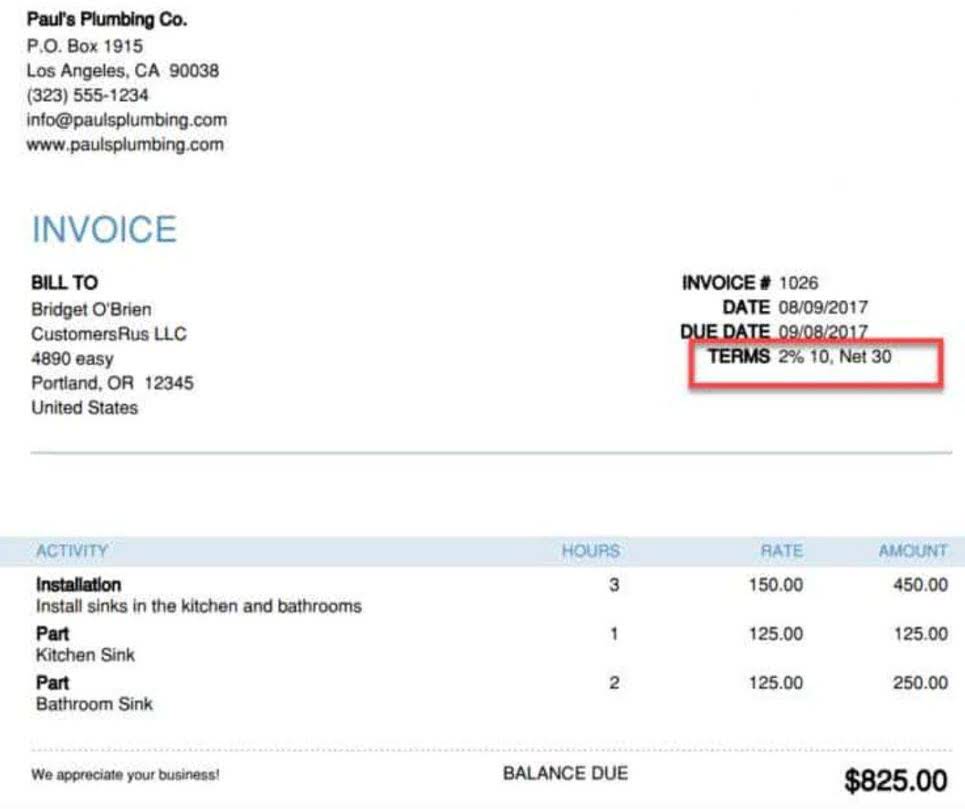
This is an especially common accounting error for companies that issue invoices to their customers for payment later and also use bank feeds for data entry purposes. Without proper workflows in place, a business can easily show nearly double its actual revenue on its profit and QuickBooks loss statement. Modern accounting software, for example, can help reduce errors by automating routine tasks such as data entry, expense categorization, and account reconciliations. These platforms also offer built-in validation rules that help ensure that transactions are categorized correctly. At the same time, real-time reporting and audit trails further reduce the risk of human error.
Example 3 – Error of Commission

Most of the error types on this list are a result of simple mistakes or oversight. Principle errors are different, however, as they stem from a misunderstanding of how accounting principles should be applied. As a result, accountants may apply the wrong accounting treatment to a transaction. Yet despite the importance of precision and diligence, accounting errors are Certified Bookkeeper surprisingly common. According to a recent Gartner survey, 18% of accountants make financial errors at least daily.
- Common errors when overlooking inventory management are overstocking, shrinkage due to theft or damage, or inaccurate counts.
- A cross-functional approach is especially helpful for complex transactions, such as mergers and acquisitions, where errors are more likely.
- To make the trial balance balance a single entry is posted to the accounting ledgers in a suspense account.
- Properly categorizing expenses is also essential for tax purposes, as it ensures that deductions are properly claimed — reducing the risk of audits, or worse, penalties.
- Automation reduces manual input errors like transposition, misclassification, and manual calculation mistakes.
- It was already known before the AlixPartners audit that internal oversight processes within the state’s financial system were exceedingly weak.
- If your cash account and bank statement are showing different figures, it’s time to check each transaction on both sides.
- Leading AP teams monitor 12 key accounts payable metrics to cut costs, accelerate processing times, and strengthen vendor relationships.
- Yet it’s essential that your accounting stays current and that you don’t fall behind.
- Accounting errors are unintentional mistakes that occur when accounting professionals record or account for data.
- The errors of transposition are one of the accounting errors that incur as a result of the wrong digit of the number has been accidentally recorded the other way round.
Therefore, in this article, whenever we refer to rectification of errors, we mean unintentional errors. A financial professional will offer guidance based on the information provided and offer a no-obligation call to better understand your situation. At Finance Strategists, we partner with financial experts to ensure the accuracy of our financial content. The articles and research support materials available on this site are educational and are not intended to be investment or tax advice.
The original entry itself is incorrect and causes an error in the financial records. A company purchases office supplies worth $500 but does not record the transaction at all. The accounts payable balance here is understated, and the office supplies expense is missing, affecting both the balance sheet and income statement. Common errors when overlooking inventory management are overstocking, shrinkage due to theft or damage, or inaccurate counts. Adopting these practices ensures accurate inventory records, supports better financial analysis, and enhances overall profitability and operational efficiency. It also makes it a lot easier than physically trying to keep track of all your inventory.
Impact on Financial Statements
As the name suggests, errors of omission occur when an accountant fails to record a transaction altogether. This can happen due to oversight or negligence — especially when accountants are stretched thin during busy times. The first one is the whole transactions are missing from the accounting record. While the second one is the debit and credit side is not corresponding to the double-entry of the transaction.
The rest of the $1.8 billion sum did correspond to real money but, according to AlixPartners’ findings, had already been appropriated and spent by the state Legislature. The $1.8 billion fund was supposed to act as a placeholder account for money to pass through while the agency made the switch. Locating errors is like searching for a black cat in a dark room, all the while wearing sunglasses. However, there are some methods that can make it easier to locate errors. Such intentional errors attract legal remedies rather than rectification.